The War College
The Realist Pivot: Reassessing U.S. Grand Strategy Post-1991
Full Content FreeOctober 1, 2026
Share Email
Executive Summary
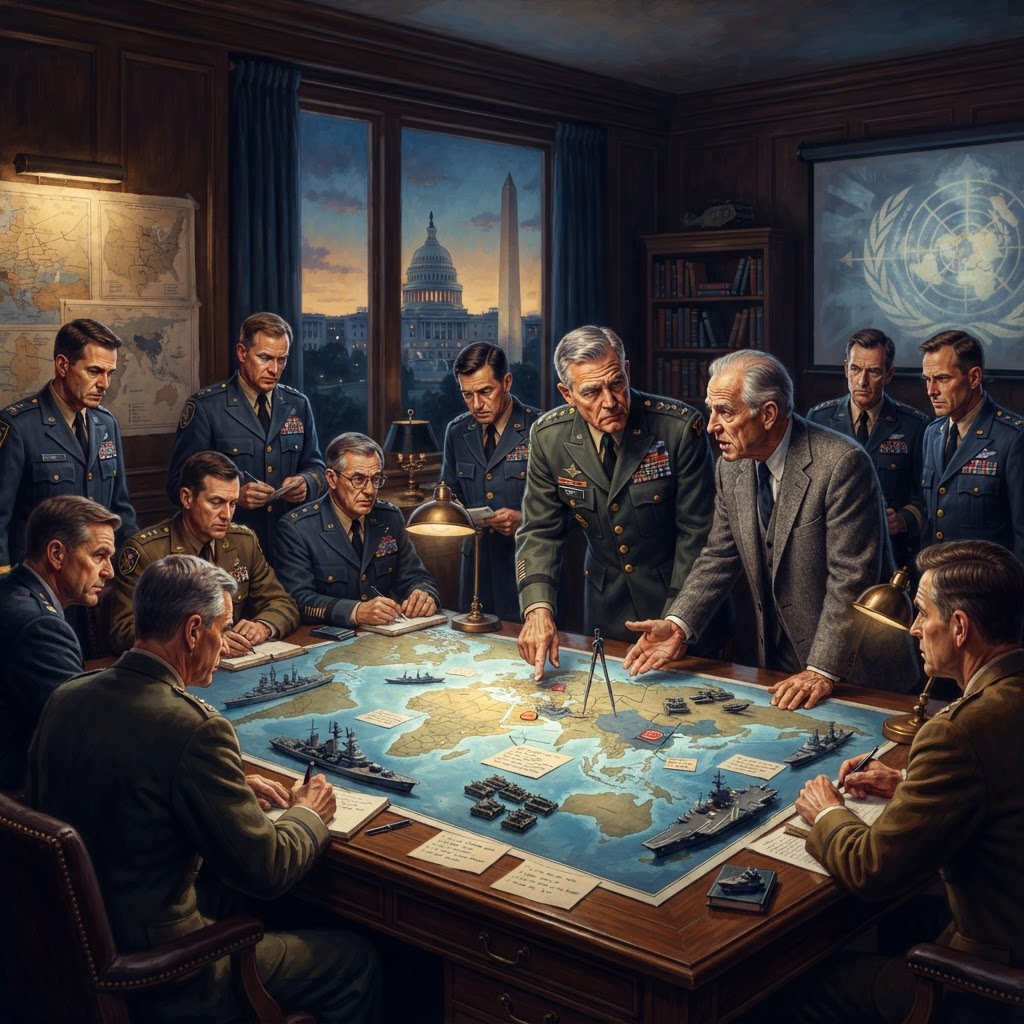
Following the collapse of the Soviet Union, the United States faced a strategic vacuum. For decades, the containment doctrine provided a clear, realist framework for American foreign policy. However, the post-Cold War era saw a shift toward liberal internationalism and democratic enlargement. This article examines the debate over whether a return to realist principles—specifically offshore balancing—offers a more sustainable path for the United States in an era of diffuse threats and limited resources.
Key Points
- The transition from a bipolar world to a unipolar moment challenged traditional realist assumptions about state behavior.
- Critics argue that the failure to define a coherent grand strategy after 1991 led to overextension in the Middle East and Central Asia.
- Offshore balancing is proposed as a strategy that prioritizes national interests by avoiding permanent, large-scale military commitments abroad unless a regional hegemon threatens the balance of power.
- Conceptual limitations in policymaking, rather than just international circumstances, hindered the development of a stable post-Cold War strategy.
Sources
- Art, R. J. (1991). America's Grand Strategy after the Cold War. JSTOR.
- Suri, J. (2009). American Grand Strategy from the Cold War's End to 9/11. Foreign Policy Research Institute.
- Walt, S. M. (2018). US grand strategy after the Cold War: Can realism explain it? Sage Journals.