Tactical Genius at Cowpens: A Cinematic and Historical Review
Full Content FreeOctober 1, 2026
Executive Summary
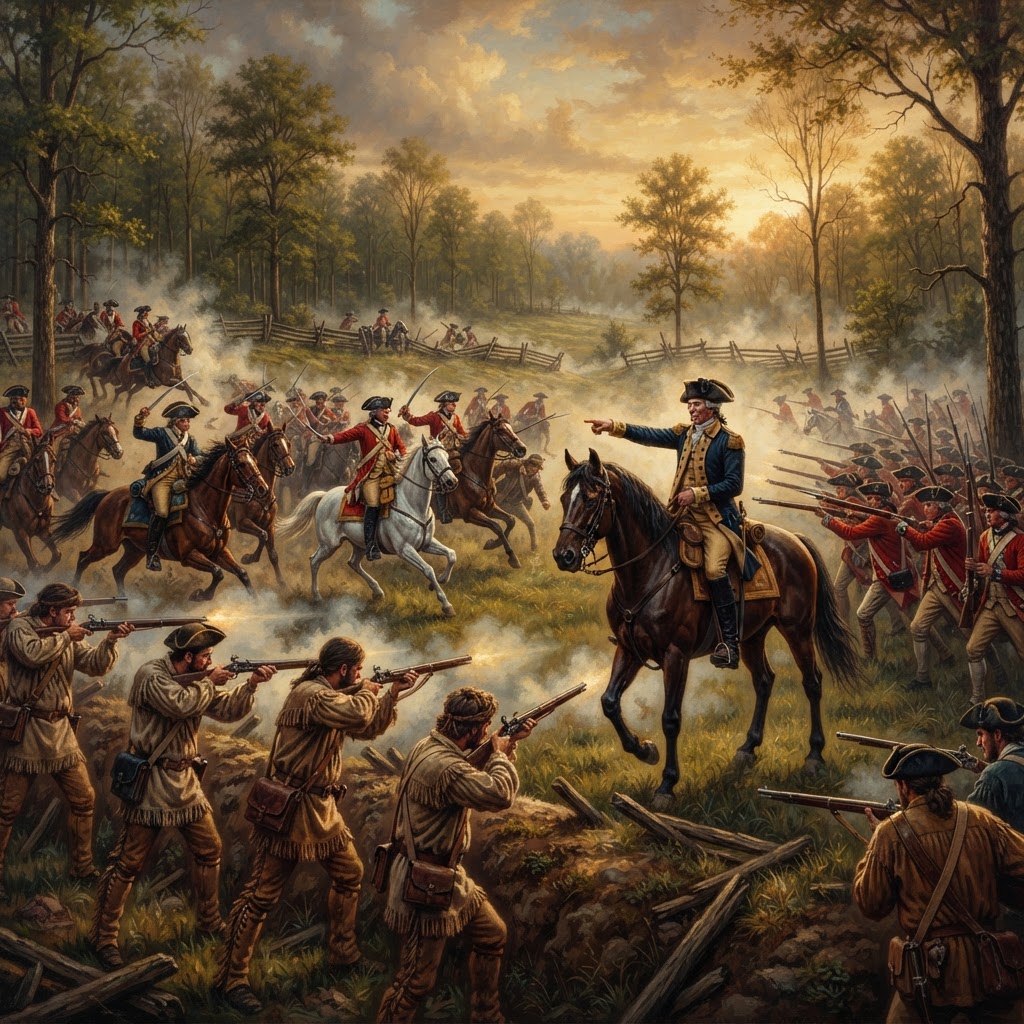
The Battle of Cowpens (January 17, 1781) stands as a masterclass in tactical deception and the use of terrain. Brigadier General Daniel Morgan’s victory over Lieutenant Colonel Banastre Tarleton is frequently analyzed in military literature for its 'double envelopment' maneuver. This article reviews how historical accounts and visual media have preserved the legacy of this pivotal Revolutionary War engagement, which effectively halted British momentum in the Southern Campaign.
Key Points
- Morgan utilized a three-line defense strategy, intentionally placing militia in the front to draw the British into a false sense of security before retreating in a controlled manner.
- The engagement served as a direct response to the brutality of 'Tarleton’s Quarter,' where British forces were accused of refusing surrender at the Battle of Waxhaws.
- The victory at Cowpens provided a critical morale boost to the American cause, proving that Continental forces could defeat elite British regulars in open field combat.
- Modern historical analysis emphasizes the psychological impact of the battle, which forced Lord Cornwallis to pursue a more aggressive, ultimately self-defeating strategy in the Carolinas.
Sources
[1] Britannica: Battle of Cowpens (https://www.britannica.com/event/Battle-of-Cowpens) [2] History on the Net: Cowpens Battle (https://www.historyonthenet.com/cowpens-battle) [9] American Battlefield Trust: Cowpens Battle Facts (https://www.battlefields.org/learn/revolutionary-war/battles/cowpens)